
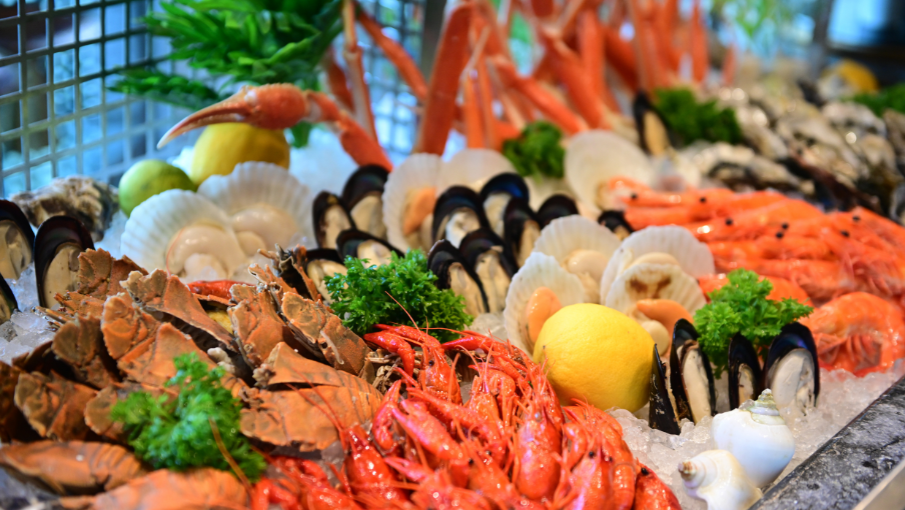

Key Takeaways:
- Freshness is the most important factor for truly great seafood; look for bright eyes and a clean scent.
- Simple cooking methods often work best to highlight the seafood’s natural flavors.
- Pairing seafood with the right ingredients can create memorable and balanced dishes.
- Sourcing seafood responsibly is key for both flavor and environmental sustainability.
Spectacular Seafood: The Art of Picking the Freshest Catch
The secret to a spectacular seafood meal starts long before you even fire up the stove—it begins at the market. There’s a world of difference between fresh seafood and something that’s been sitting around. The first thing to check is the smell. Fresh fish should smell like the ocean: clean, briny, and a little sweet. If it smells “fishy,” it’s probably past its prime. Next, look at the eyes. A whole fish with clear, bright, and slightly bulging eyes is a good sign. Dull, sunken, or cloudy eyes indicate a lack of freshness. For fillets, the flesh should be firm and springy to the touch. It shouldn’t fall apart or have a slimy feel.
When selecting shellfish, like shrimp or scallops, they should also have a clean smell and firm texture. Live shellfish, such as clams, mussels, and oysters, should be tightly closed. If any are open, a gentle tap should make them close. If they don’t, they’re no longer good to eat. Choosing your fish and shellfish with these simple checks is the most important step in creating a remarkable dish. It ensures the natural flavor, which is the star of the show, shines through without being masked by a poor quality product.
Simple Cooking Techniques for Incredible Flavor
Once you’ve secured the freshest ingredients, the key is to not overdo it. The best seafood is often prepared with a minimalist approach that lets its delicate flavor take center stage. Pan-searing is a popular method for fish fillets, creating a beautiful, crispy skin while keeping the inside tender and flaky. All it takes is a hot pan, a little oil, and a simple seasoning of salt and pepper. Don’t be afraid to let it get a nice golden-brown crust. For thicker fillets, like salmon or cod, you can finish them in the oven after a quick sear on the stovetop.
Grilling is another fantastic option, especially for heartier fish like swordfish or tuna steaks, or even whole fish. The smoky flavor from the grill adds a delicious layer of complexity. Just be sure your grill grates are clean and well-oiled to prevent sticking. For more delicate seafood like scallops or shrimp, a quick broil in the oven can work wonders. This method cooks them quickly under high heat, giving them a lovely caramelized exterior without overcooking the center. Steaming or poaching are also great choices, as they preserve the moist, tender texture of the seafood, particularly for mussels or clams. The secret is to use high heat and brief cooking times to avoid tough, rubbery results.
Pairing Perfection: Building a Harmonious Dish
Creating a spectacular seafood meal isn’t just about the main ingredient; it’s about the entire plate. Pairing seafood with the right flavors can turn a simple dish into an unforgettable one. Citrus is a classic partner for fish. A squeeze of fresh lemon, lime, or orange juice can brighten up a rich piece of salmon or cut through the sweetness of shrimp. Herbs like fresh dill, parsley, and cilantro also complement a wide range of seafood, adding a fresh, aromatic quality.
For a richer sauce, butter, garlic, and a splash of white wine make a simple but perfect combination for scallops or mussels. The acidity from the wine balances the richness of the butter and the seafood. When it comes to side dishes, think about things that won’t overpower the main event. A light salad with a vinaigrette, roasted vegetables, or a simple rice pilaf are all excellent choices. For spicier dishes, like a seafood curry or a spicy shrimp stir-fry, coconut milk and aromatic spices can create a rich, comforting base. The goal is to build a plate where every element works together, letting the seafood remain the star.
Sourcing and Sustainability: Making Smart Choices
Today, making smart choices about where your seafood comes from is more important than ever. Responsible sourcing ensures that our oceans and waterways remain healthy for future generations. Look for seafood that has been certified by reputable organizations that monitor sustainable fishing and farming practices. These labels often indicate that the fish was caught or farmed in a way that minimizes environmental impact and protects marine ecosystems.
Talking to your local fishmonger is a great way to learn about the origin of their products. They can often tell you where and when the fish was caught, and how it was handled. Ask about local options, as they are often fresher and have a lower environmental footprint from transportation. By choosing species that are abundant and caught using sustainable methods, you’re not only getting a higher-quality product but also supporting healthy oceans. Eating with a conscience adds another layer of satisfaction to any meal. This mindful approach to seafood isn’t just a trend; it’s a way to ensure that the delicious foods we love will be available for years to come.