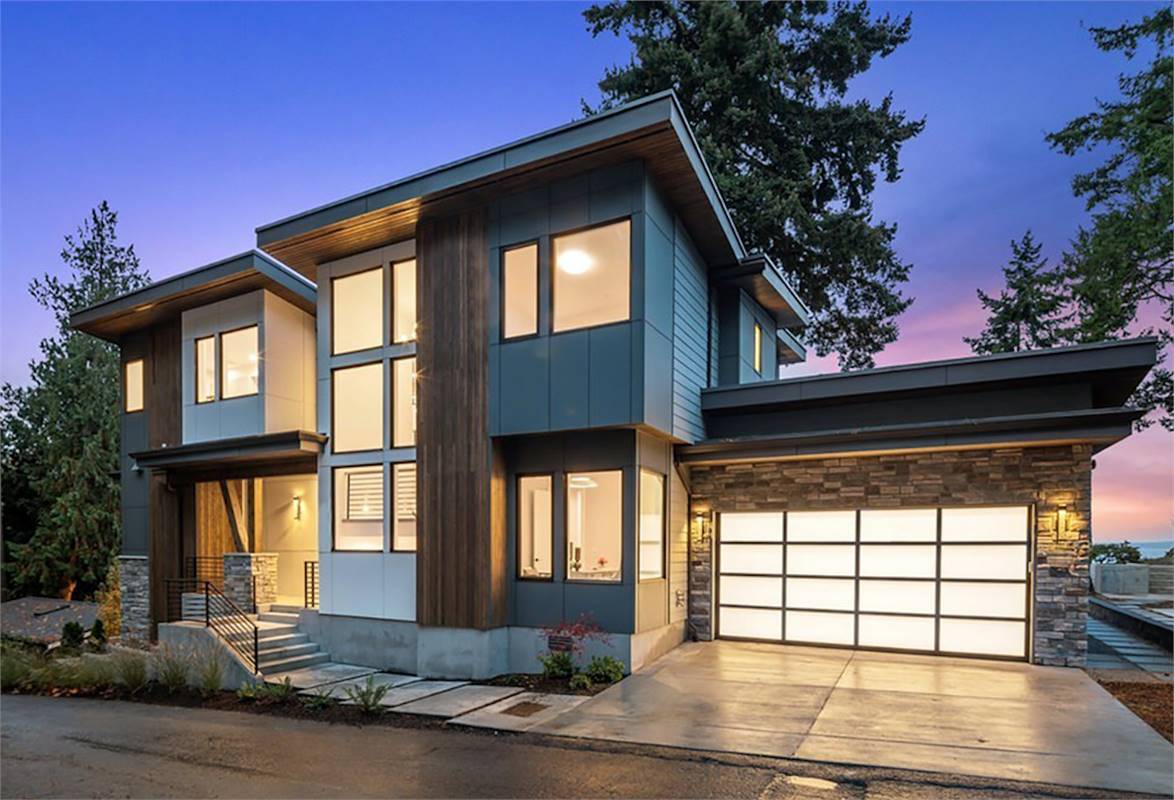
The desire to lower monthly expenses is a common goal for many households, and utility bills often represent a significant portion of these costs. Implementing effective strategies to reduce energy consumption not only saves money but also contributes positively to environmental sustainability. By making informed choices about how we use and manage energy within our living spaces, we can create more comfortable and affordable homes. These practical changes, ranging from simple habits to significant upgrades, collectively form robust home energy-saving solutions that yield noticeable reductions in utility expenditures over time.

Overview
- Adopting smart thermostats and monitoring devices significantly optimizes heating and cooling.
- Simple behavioral adjustments, like unplugging idle electronics, can lead to measurable savings.
- Improving insulation, sealing air leaks, and upgrading windows are fundamental steps for energy efficiency.
- Switching to LED lighting and choosing ENERGY STAR certified appliances drastically cuts electricity use.
- Investing in renewable energy sources or high-efficiency systems offers long-term financial and environmental benefits.
- Regular home energy audits provide tailored recommendations for maximum savings.
Smart Technology and Behavioral Home Energy-Saving Solutions
One of the most immediate ways to impact utility bills involves smart technology and mindful habits. Installing a smart thermostat allows homeowners to program heating and cooling schedules, often learning occupancy patterns and adjusting temperatures automatically. Many models can be controlled remotely via smartphone apps, ensuring that energy isn’t wasted heating or cooling an empty house. Furthermore, smart plugs can turn off power to electronics when they are not in use, eliminating “phantom load” or “vampire drain” which can quietly consume electricity, even when devices are turned off. Energy monitoring apps and devices can also help visualize real-time energy consumption, making it easier to identify energy-intensive activities and make informed adjustments.
Beyond technology, simple behavioral changes are incredibly powerful. Turning off lights when leaving a room, unplugging chargers and appliances when not in use, and using natural light whenever possible are cost-free measures. Adjusting thermostat settings just a few degrees warmer in summer and cooler in winter can lead to substantial savings without compromising comfort. For example, setting the thermostat back 7°-10°F for 8 hours a day can save as much as 10% on heating and cooling costs in the US. Utilizing ceiling fans to circulate air can make a room feel cooler, allowing you to raise the thermostat setting.
Insulation and Sealing Home Energy-Saving Solutions
A well-insulated and properly sealed home is fundamental to maintaining a comfortable indoor temperature while minimizing energy waste. Heat naturally moves from warmer to cooler areas, meaning heat escapes in winter and enters in summer through unsealed gaps and insufficient insulation. A professional energy audit can pinpoint specific areas of heat loss and gain. Adding insulation to attics, walls, and crawl spaces prevents significant thermal transfer. The recommended R-value (a measure of thermal resistance) for insulation varies by climate zone, but generally, more is better.
Beyond insulation, addressing air leaks is critical. Gaps around windows, doors, electrical outlets, and plumbing penetrations allow conditioned air to escape and unconditioned air to enter. Sealing these leaks with caulk and weatherstripping is an inexpensive yet highly effective solution. Upgrading to energy-efficient windows, such as double or triple-pane windows with low-emissivity (Low-E) coatings, can drastically reduce heat transfer. While a larger initial investment, efficient windows pay dividends over their lifespan by significantly cutting heating and cooling loads. Even simpler fixes like sealing drafty doors with door sweeps can make a noticeable difference in preventing heat loss.
Appliance and Lighting Home Energy-Saving Solutions
Many household appliances consume considerable amounts of energy, but there are straightforward ways to reduce their impact. When purchasing new appliances, always look for the ENERGY STAR label, which indicates that the product meets strict energy efficiency guidelines set by the US Environmental Protection Agency. These appliances use significantly less energy than standard models, saving money over their operational lifetime. For existing appliances, proper maintenance can extend their efficiency; for instance, regularly cleaning refrigerator coils or dryer lint traps improves performance. Washing clothes in cold water, air-drying dishes, and running full loads in dishwashers and washing machines are also simple practices that contribute to lower bills.
Lighting is another area ripe for savings. Traditional incandescent light bulbs are notoriously inefficient, converting most of their energy into heat rather than light. Switching to Light Emitting Diode (LED) bulbs is one of the most impactful and easiest home energy-saving solutions. LEDs use up to 90% less energy and last much longer than incandescent bulbs, leading to substantial reductions in electricity consumption and replacement costs. While the upfront cost of LEDs might be slightly higher, the savings quickly offset the initial investment. Maximizing natural daylight by opening blinds and curtains during the day further reduces the need for artificial lighting.
Renewable and Long-Term Home Energy-Saving Solutions
For those looking to make a more significant, lasting impact on their energy bills and carbon footprint, renewable energy and high-efficiency system upgrades offer compelling options. Installing solar panels, for example, allows homeowners to generate their own electricity, drastically reducing or even eliminating reliance on the grid. While the initial investment for solar can be substantial, various federal, state, and local incentives, including tax credits in the US, can help offset the cost, making it a viable long-term solution. Many homeowners also benefit from net metering policies, where excess electricity generated is fed back into the grid, earning credits on their utility bills.
Another powerful long-term solution is upgrading to high-efficiency heating and cooling systems. Modern heat pumps, for instance, are far more efficient than traditional furnaces and air conditioners, as they move heat rather than generating it. They can provide both heating and cooling for a home and are particularly effective in moderate climates. Similarly, upgrading to a tankless water heater or a highly efficient electric heat pump water heater can significantly reduce the energy consumed for hot water, which is often one of the largest energy uses in a household. While these solutions require a higher upfront cost, they offer substantial long-term savings and increased comfort, ultimately leading to a more sustainable and affordable home.