
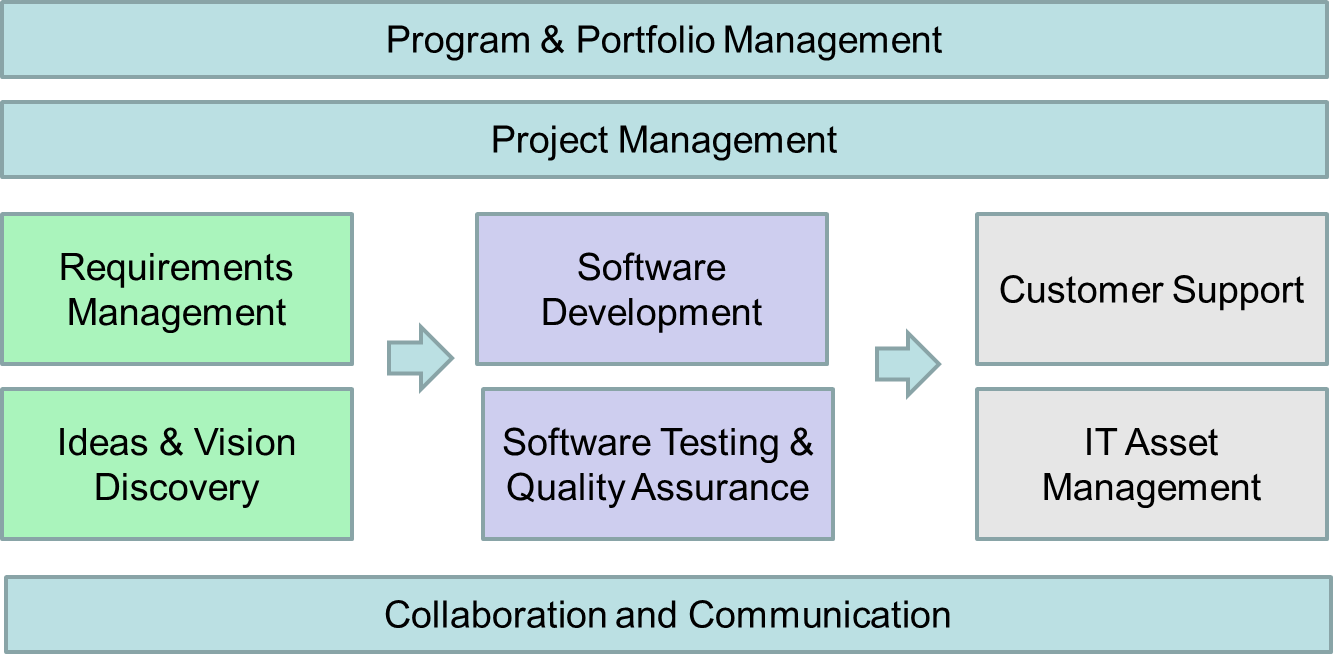

Effective software lifecycle management is crucial for organizations aiming to deliver high-quality software efficiently and consistently. It encompasses all stages, from initial conception to eventual retirement, ensuring that each phase is executed with precision and strategic foresight. Without a well-defined and continuously optimized lifecycle, projects can suffer from delays, budget overruns, and a failure to meet user expectations. Improving these stages isn’t just about applying new tools; it’s about refining processes, fostering collaboration, and adopting a mindset of continuous betterment to meet evolving market demands.
Overview
- Software lifecycle management is a critical framework for delivering quality software, preventing project failures.
- The initial phases of requirements gathering and design can be significantly improved through clarity, stakeholder engagement, and prototyping.
- Development and testing stages benefit from iterative approaches, automated testing, and integrating security practices early.
- Deployment and operational efficiency are enhanced by automation, robust monitoring, and proactive incident response.
- Cultivating a culture of feedback and continuous learning is essential for long-term improvements in software lifecycle management.
- Adopting modern methodologies like Agile and DevOps can unify teams and accelerate delivery.
Streamlining Requirements and Design in Software Lifecycle Management
The foundation of any successful software product lies in its initial requirements and design. Often, failures later in the cycle can be traced back to misunderstandings or ambiguities at this early stage. To improve this critical part of software lifecycle management, organizations must prioritize clear, unambiguous requirement gathering. This involves active engagement with all stakeholders, employing techniques like user story mapping, detailed use cases, and mock-ups or prototypes to visualize the desired outcomes. Implementing robust change management processes helps control scope creep and ensures any alterations are properly vetted and documented. For instance, many organizations in the US are adopting practices where design reviews are not just technical but also user-experience focused, ensuring that the software meets actual user needs rather than just technical specifications. Tools that facilitate collaborative design and version control for specifications can also play a vital role in maintaining consistency and accuracy from the outset, laying a solid groundwork for subsequent stages.
Optimizing Development and Testing within Software Lifecycle Management
Once requirements are clear, the development and testing phases become the crucible where the software is forged and refined. Optimizing these stages of software lifecycle management is about achieving speed without sacrificing quality. Adopting iterative development methodologies, such as Scrum or Kanban, allows teams to deliver smaller, functional increments frequently, providing earlier feedback loops and reducing the risk of large-scale rework. Automated testing, including unit, integration, and end-to-end tests, is indispensable for rapidly identifying and addressing defects. Integrating security testing early in the development pipeline (Shift-Left Security) helps catch vulnerabilities before they become costly to fix. Furthermore, fostering a culture where developers and testers work closely, rather than in silos, promotes shared ownership of quality. Code reviews, static analysis tools, and performance testing are also key components that contribute to a more robust and reliable software product, significantly reducing the technical debt accumulated over time.
Improving Deployment and Operations for Effective Software Lifecycle Management
The transition from development to production and subsequent maintenance are pivotal for realizing the value of the software. Improving these stages of software lifecycle management means focusing on automation and reliability. DevOps practices, which bridge the gap between development and operations teams, are central to this improvement. Implementing Continuous Integration (CI) and Continuous Delivery (CD) pipelines automates the build, test, and deployment processes, drastically reducing manual errors and accelerating time to market. Robust monitoring and logging systems provide real-time insights into application performance and user experience, enabling proactive identification and resolution of issues. Establishing clear incident response protocols and disaster recovery plans ensures business continuity. Post-deployment, regular maintenance, patch management, and security updates are non-negotiable for sustaining the software’s integrity and performance over its lifespan. These operational efficiencies prevent downtime and maintain user trust, which are critical for any organization.
Fostering Continuous Improvement in Software Lifecycle Management
The journey of software lifecycle management is never truly finished; it’s a continuous cycle of learning and adaptation. Fostering continuous improvement means establishing mechanisms for regular feedback and analysis across all stages. Post-mortems for incidents, sprint retrospectives, and periodic process audits provide valuable insights into what worked well and what needs adjustment. Key Performance Indicators (KPIs) related to cycle time, defect rates, deployment frequency, and mean time to recovery can help objectively measure the effectiveness of improvements. Encouraging a culture of experimentation, where teams are empowered to try new tools, techniques, and processes, can lead to significant breakthroughs. Investing in training and professional development for team members ensures they stay abreast of the latest technologies and best practices. By embracing this mindset of constant refinement, organizations can ensure their software lifecycle management processes remain agile, responsive, and consistently deliver value in an ever-changing technological landscape.


![One Platform, Endless Insights Introducing [Platform Name]](https://images.unsplash.com/photo-1626544827819-6ced2af2346c?fm=jpg&q=60&w=3000&ixlib=rb-4.1.0&ixid=M3wxMjA3fDB8MHxzZWFyY2h8OXx8dW5pZmllZCUyMGFuYWx5dGljcyUyMHBsYXRmb3JtfGVufDB8MHwwfHx8Mg%3D%3D "One Platform, Endless Insights Introducing [Platform Name]")

