

What are smart product differentiation tactics today?

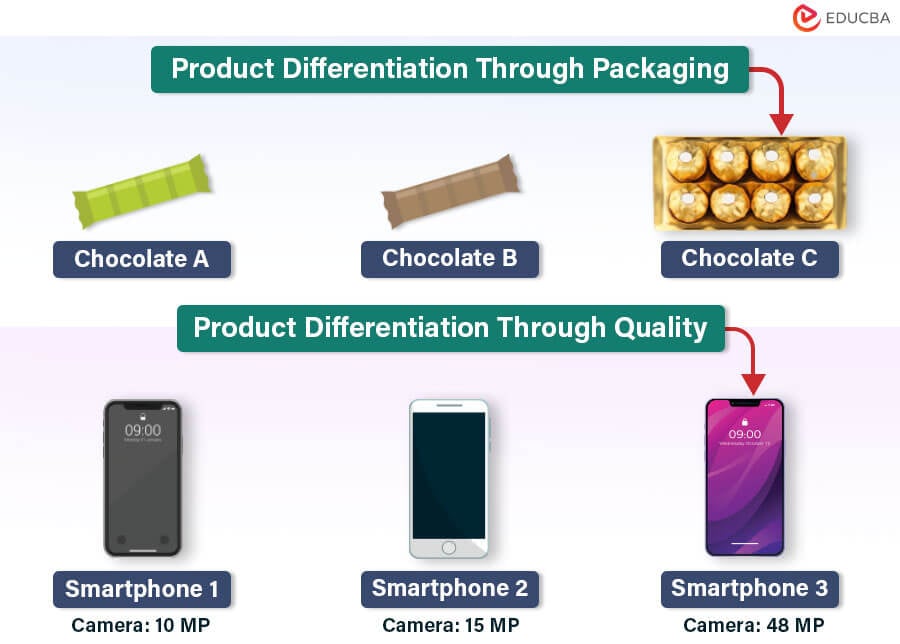
In today’s highly competitive landscape, merely having a good product is often not enough. Businesses continually face the challenge of standing out, capturing attention, and fostering customer loyalty. The key to thriving in this environment lies in employing smart product differentiation tactics, strategies that make an offering unique and appealing compared to alternatives. These tactics move beyond simple features and delve into the entire customer journey, brand values, and innovative business models, ensuring a product resonates deeply with its target audience.
Overview
- Exceptional customer experience, from initial interaction to post-purchase support, is a primary way to differentiate products.
- Embracing sustainable practices and ethical sourcing appeals to a growing segment of environmentally and socially conscious consumers.
- Leveraging data to offer personalized products, services, and communications creates highly relevant and valued interactions.
- Differentiation can stem from innovative business models, unique service packages, or strategic partnerships, not just product features.
- Focusing on niche markets and deeply understanding their specific needs allows for highly tailored and compelling offerings.
- Building a strong brand narrative and emotional connection helps products stand out in crowded markets.
- Continuous innovation in both product and service delivery keeps offerings fresh and ahead of the competition.
Leveraging Customer Experience for Product Differentiation Tactics
One of the most impactful product differentiation tactics today revolves around the entire customer experience. While a product’s core functionality is important, how customers interact with it, and the brand offering it, can be the deciding factor. This extends beyond just user-friendly interfaces; it encompasses every touchpoint. Think about frictionless purchasing processes, responsive and helpful customer support, engaging onboarding experiences, and building a community around the product. Companies that make the customer feel valued, understood, and supported at every stage create a powerful competitive edge. For instance, a software company might differentiate not just on its features but on its accessible learning resources, proactive technical assistance, and a vibrant user forum. This holistic approach builds loyalty and turns customers into advocates, creating a significant barrier to entry for competitors who might offer similar features but lack the superior experience.
Sustainable and Ethical Practices as Product Differentiation Tactics
A growing number of consumers are making purchasing decisions based on a company’s commitment to sustainability and ethical practices. This presents a powerful avenue for product differentiation tactics. Products made with eco-friendly materials, produced through fair labor practices, or offered by companies with transparent supply chains resonate strongly with this demographic. In the US, for example, studies show increasing consumer willingness to pay more for sustainable brands. This isn’t just about marketing; it requires genuine commitment to environmental stewardship and social responsibility. Brands that effectively communicate their efforts – perhaps through certifications, impact reports, or compelling storytelling about their sourcing – can forge a deep connection with conscious consumers. This form of differentiation taps into values, building trust and a sense of shared purpose that transcends mere functionality or price.
Data-Driven Personalization for Smart Product Differentiation Tactics
The age of big data and artificial intelligence has opened new doors for highly effective product differentiation tactics. By collecting and analyzing customer data, businesses can offer personalized experiences and products that truly stand out. This can range from individualized product recommendations on an e-commerce site, tailoring content and marketing messages, to even offering bespoke product configurations. Consider how streaming services customize content suggestions based on viewing history, or how fitness apps adapt workout plans to individual progress. This level of personalization makes customers feel seen and understood, creating a product experience that is uniquely relevant to them. The challenge lies in ethically collecting and utilizing data to create value without being intrusive, ensuring transparency and respecting user privacy. When executed well, data-driven personalization moves beyond generic offerings to create highly specific and appealing solutions for individual needs.
Innovation Beyond Features: Strategic Product Differentiation Tactics
While new features are a traditional method, smart product differentiation tactics often extend beyond the product itself to innovative business models, service offerings, or ecosystem plays. This involves rethinking how a product is delivered, priced, or integrated into a user’s life. Examples include subscription models that offer convenience and ongoing value, services that complement the core product and solve a broader problem, or strategic partnerships that create unique bundles. A company might differentiate itself not by adding another button, but by offering a unique “product as a service” model, or by building a powerful community around its offering that adds immense value. It’s about creative problem-solving and finding new ways to deliver value that competitors haven’t considered. This could involve an innovative pricing structure, a unique distribution channel, or a compelling brand story that connects with customers on an emotional level, making the product more than just an item but an experience or a statement.


