
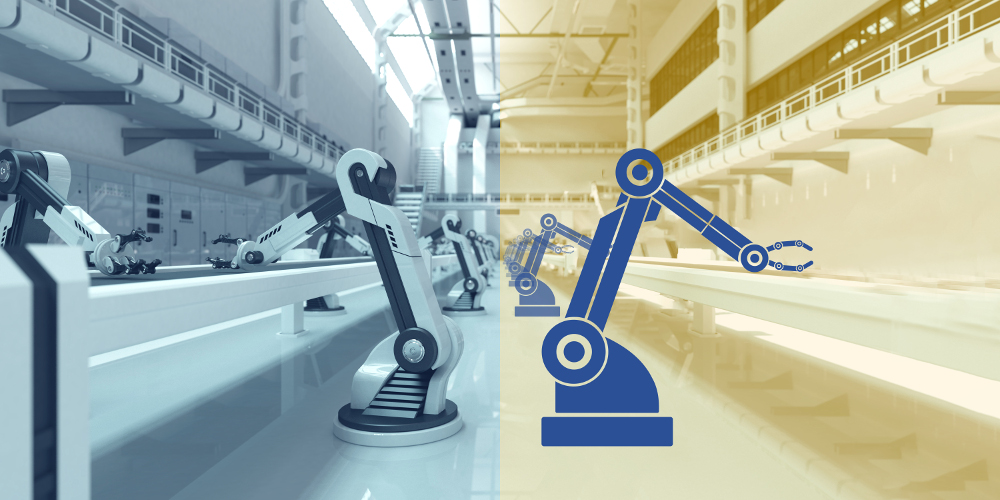

Applying Digitaler Zwilling Industrie in simulation offers crucial insights. Real-world applications optimize processes and reduce costs.
My career in industrial operations has repeatedly shown the immense value of intelligent simulation. Moving beyond theoretical models, we often face scenarios where even minor process adjustments can have significant capital implications. This is where the concept of a digital twin, particularly the Digitaler Zwilling Industrie, provides a game-changing approach. It’s not merely a 3D model; it’s a living, breathing virtual replica of a physical asset, process, or system. This twin receives real-time data, allowing for accurate, dynamic simulations that reflect current operational realities.
Overview
- A Digitaler Zwilling Industrie creates a dynamic virtual replica of physical industrial assets or processes.
- Real-time data feeds into the digital twin, ensuring simulations reflect actual operational conditions.
- This technology is crucial for optimizing manufacturing operations, from planning to execution.
- Predictive maintenance becomes highly accurate, moving from scheduled to condition-based interventions.
- Simulations help validate operational changes, new product lines, or facility expansions without physical disruption.
- The approach significantly reduces costs and risks associated with process experimentation and downtime.
- It facilitates data-driven decision-making, improving overall efficiency and product quality.
In my experience, implementing a Digitaler Zwilling Industrie changes how companies approach problem-solving. It offers a sandbox for complex “what-if” scenarios, enabling engineers and managers to test hypotheses safely. This capability is invaluable for refining production lines, assessing maintenance strategies, or even planning an entirely new facility layout. The precision gained from these simulations directly translates into tangible operational improvements and cost savings. We’ve seen firsthand how this technology bridges the gap between the digital and physical worlds, providing actionable intelligence.
Applying Digitaler Zwilling Industrie in Manufacturing Operations
Our work often involves optimizing complex manufacturing facilities. The Digitaler Zwilling Industrie plays a central role here. We create virtual models of entire factories, including machinery, material flow, and human interaction points. Real-time data from sensors on physical equipment updates the twin continuously. This includes machine status, production rates, temperature, and even energy consumption.
With this living model, we simulate various operational changes. For instance, we might test a new assembly line configuration or a different batching schedule. The simulation predicts the impact on throughput, resource utilization, and potential bottlenecks. This allows us to fine-tune processes virtually before any physical changes are made. The cost savings from avoiding trial-and-error on the factory floor are substantial. It significantly de-risks new product introductions or facility upgrades.
Predictive Maintenance and Digitaler Zwilling Industrie
One of the most impactful applications of the Digitaler Zwilling Industrie is in predictive maintenance. Traditionally, maintenance schedules were either time-based or reactive. Both approaches have drawbacks; time-based maintenance can lead to unnecessary interventions, while reactive maintenance results in costly downtime.
Our digital twin implementations change this paradigm. By continuously monitoring the physical asset’s health through sensors, the digital twin can predict potential failures. It analyzes operational data, looking for deviations from normal behavior or patterns indicating wear. For example, slight vibrations in a motor, detected by the physical asset’s sensors, are mirrored in the twin. The twin’s analytical models then forecast the probability and timeline of a failure. This allows maintenance teams to schedule interventions precisely when needed, minimizing unexpected outages and maximizing equipment lifespan. The insights gathered are critical for maintaining continuous operation.
Operational Efficiency with Digitaler Zwilling Industrie
Improving operational efficiency is a constant objective in industry. The Digitaler Zwilling Industrie provides a powerful tool for achieving this. By simulating different scenarios, businesses can identify inefficiencies and pinpoint areas for improvement. This includes optimizing energy consumption, reducing waste, and streamlining logistics within a plant.
For example, a supply chain twin can model the movement of raw materials and finished goods, simulating the impact of different delivery schedules or inventory levels. This leads to leaner operations and reduced carrying costs. We’ve assisted multiple clients, including some in the US, in achieving significant reductions in operational expenditure through these methods. The ability to see the future impact of current decisions in a virtual environment provides unparalleled clarity for strategic planning and tactical adjustments. This proactive approach ensures operations run smoothly and effectively.
Simulation Accuracy Through Real-time Data Integration
The reliability of any simulation hinges on the quality and timeliness of its input data. For a digital twin, real-time data integration is paramount. This involves establishing robust communication channels between physical sensors, machinery, and the virtual model. Without accurate, up-to-the-minute data, the digital twin quickly becomes a static representation, losing its predictive and analytical power.
We focus on creating seamless data pipelines that pull information directly from control systems, IoT devices, and enterprise resource planning (ERP) systems. This ensures that the virtual environment accurately mirrors the physical one. This fidelity allows for high-confidence predictions regarding asset performance, process outputs, and potential issues. It enables businesses to make informed decisions based on current facts, not outdated assumptions, truly leveraging the power of virtual environments.


